

Calathea Grow Guide
Author: Marta Hackett Date Posted:25 November 2025
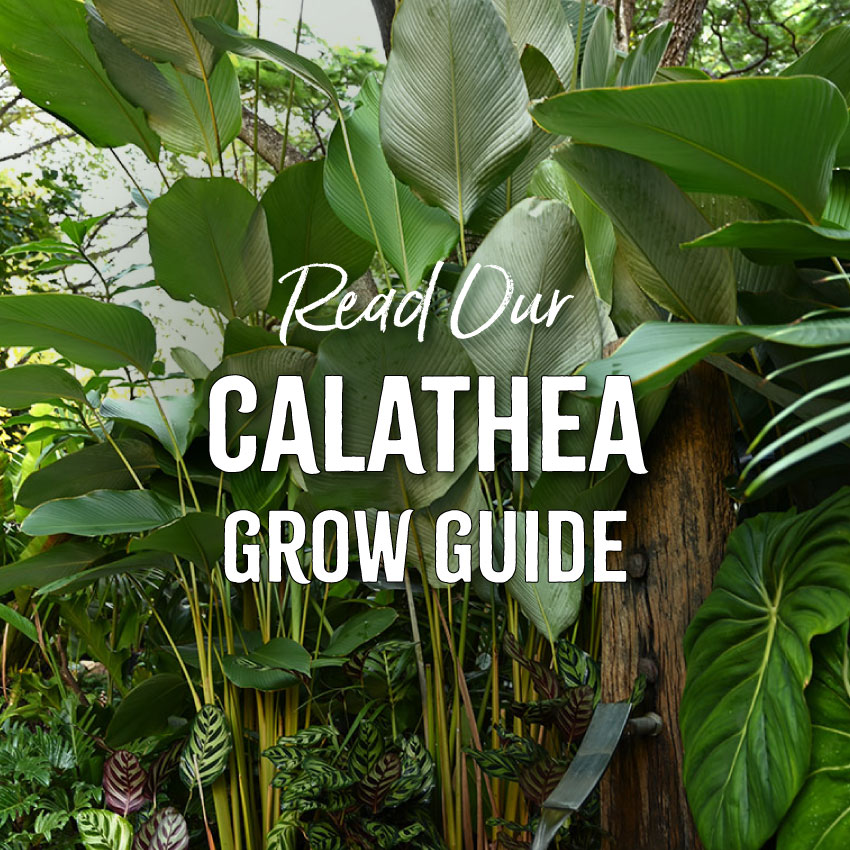
The Calathea genus is a category of flowering plants which is endemic to tropical Latin America including these countries; Belize, Bolivia, Brazil, Colombia, Costa Rica, Ecuador, El Salvador, French Guiana, Guatemala, Guyana, Honduras, Jamaica, Leeward Islands, Mexico, Nicaragua, Panama, Peru, Puerto Rico, Suriname, Trinidad and Tobago, Venezuela, and Windward Islands. With a typical mature height of 2m - 3m, these plants are popular for providing the stunning tropical aesthetic beside the pool, covering a fence or adding dimension to your seating area.
There used to be approximately 200 plants categorised within the Calathea plant genus, however over the years, plant experts have been refining the categorisation and a lot of the plants which used to be Calatheas have now been transitioned to Goeppertia genus. Some of these plants we grow here at Bamboo Land which include the following:
- Goeppertia louisae 'Thai Beauty'
- Goeppertia makoyana
- Goeppertia ornata
- Goeppertia roseopicta 'Illustris'
- Goeppertia zebrina
- Goeppertia insignis 'Sport'
This grow guide has been developed to support your journey with Calatheas including Calathea lutea (Cuban Cigar), Calathea crotalifera (Yellow Rattleshaker) and Calathea crotalifera (Red Rattleshaker). If you have any questions, our horticulture experts are always happy to answer and provide the support you need to ensure a thriving tropical garden. Explore the information below and enjoy the journey.

Calathea crotalifera (Yellow Rattleshaker)
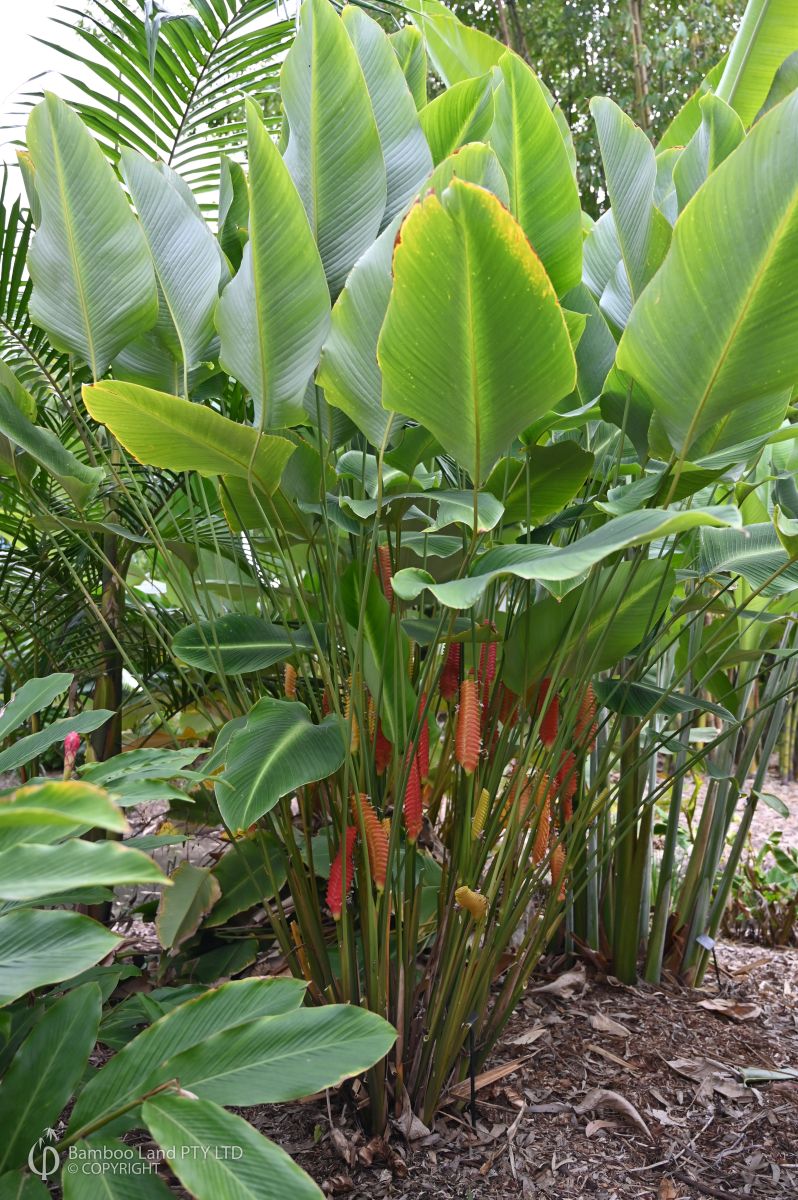
Calathea crotalifera (Red Rattleshaker)
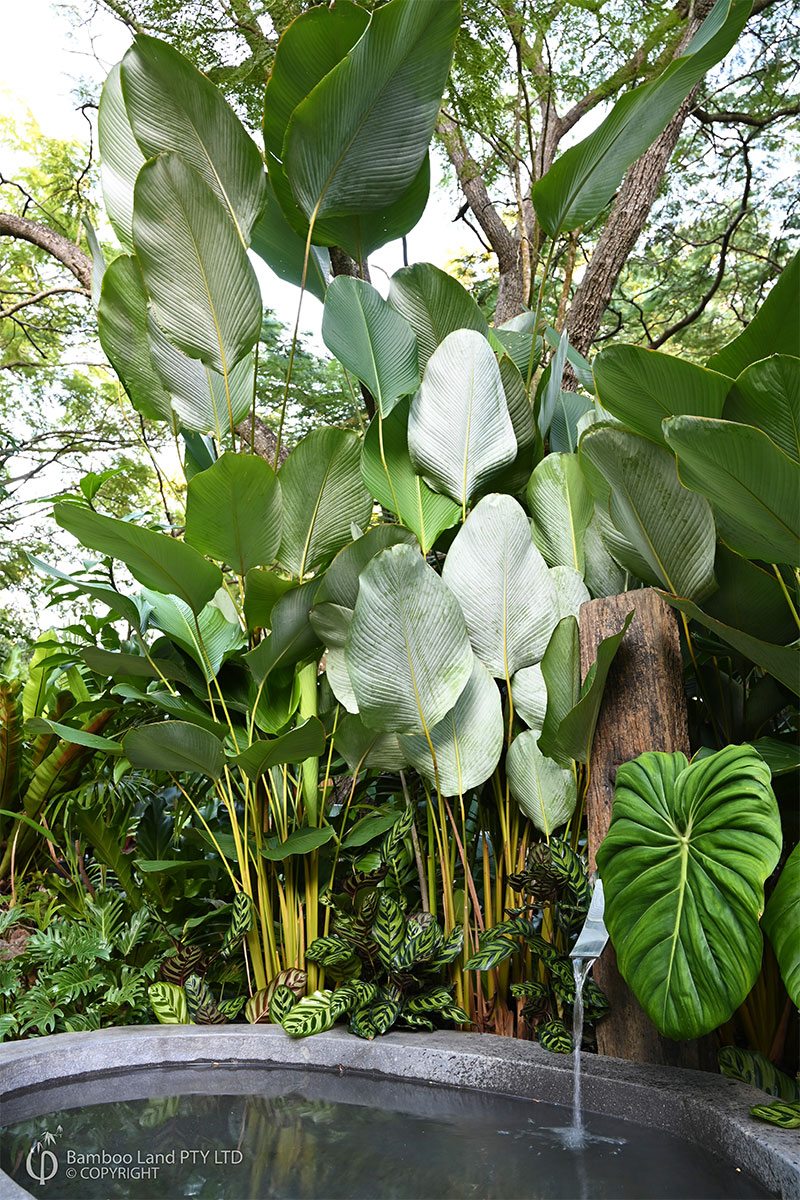
Calathea lutea (Cuban Cigar)
Light
This genus is endemic to Central and South America where it typically grows in bright, open understory or along disturbed forest edges where taller canopy trees filter the sun but do not fully block it. Because of this environment, Calathea evolved large, upright, paddle-like leaves that act almost like light collectors - broad enough to capture low-angle light but thick and waxy enough to avoid scorching sun.
Growing Calatheas in coastal QLD and NSW is best achieved in bright, filtered light, such as beneath high shade from palms or open tree canopies. Direct morning sun is usually fine, but the plant should be protected from the hottest afternoon sun. Harsh midday or afternoon sun can cause leaf burn or bleaching, particularly in dry or windy conditions. However, if the soil is kept consistently moist, full sun exposure is possible, with specimens performing well even in open, sunny positions.
Plants grown in deep shade reduces leaf size, weakens stems, and limits the classic upright V-shaped foliage posture.
The warm, humid climate in coastal QLD and northern NSW closely mirrors its native lowland tropics. When placed in bright filtered light, similar to what it receives in its endemic forest margins, Calathea lutea grows vigorously, produces taller canes, and develops the iconic silvery-blue underside to its leaves.
Soil and Temp
The exotic tropics is the natural environment of the famous Havana/Cuban Cigar ranging from southern Mexico, Central America, Southern Caribbean islands and tropical South America. If you have slightly acidic soil that is a little loose, then you’ve got the perfect foundation to plant these beautiful tropical foliage plants. Since their original habitat is rainforest, then lining the ground with about 50mm of organic matter like leaf litter, manures and mulch will have a compounding effect on the plant. This plant thrives with humidity, at 50-70%.
Watering, mulch and fertiliser
These plants are very easy to maintain. Once you’ve planted your new plants, simply lay down a generous layer of composted mulch about 50mm deep. Which helps to suppress weeds, keep soil temperature lower and will support the reduction of evaporation from the soil. As these plants originate from tropical environments, they will thrive when given regular watering, especially during hot periods to prevent drying out. Try not to over fertilise your Calatheas as this can lead to burning the plant because of the salt accumulation within the soil.
Common problems:
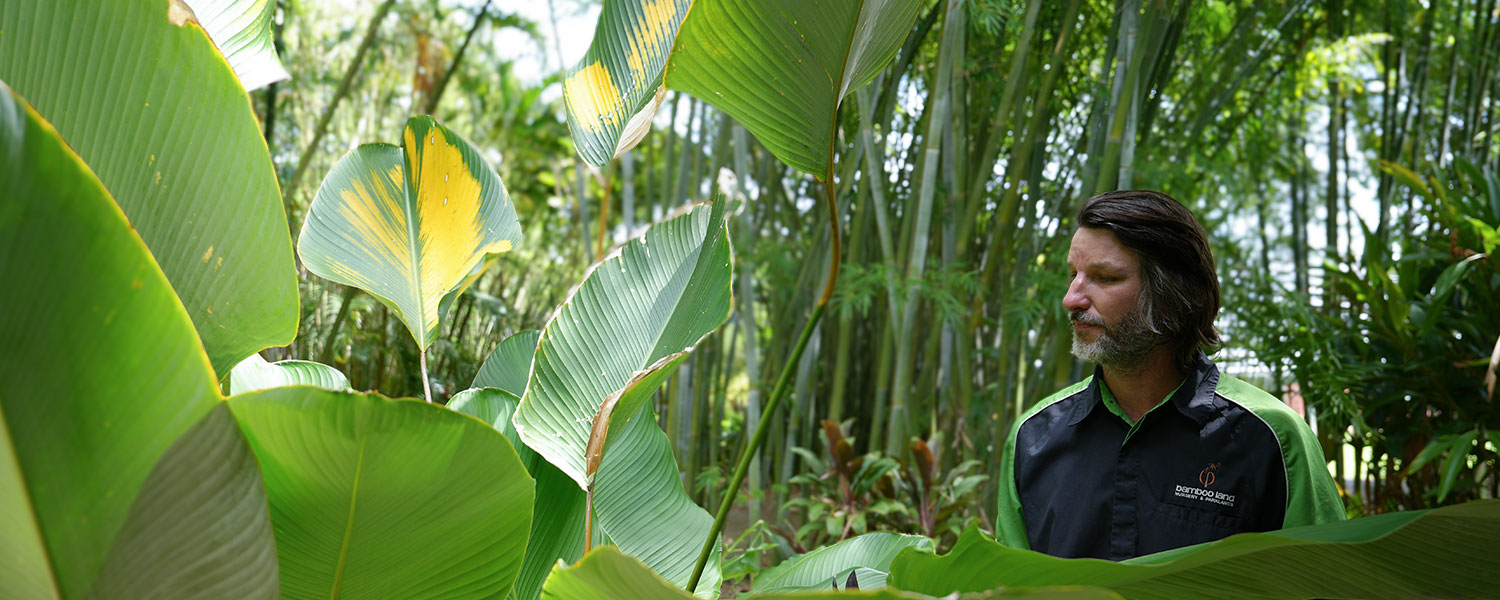
Yellowing leaves:
Yellowing leaves are usually a sign of overwatering and even not enough light. If the plant is in a highly shaded area, the plant won’t be able to thrive and develop that desired rich green look. Position your Calathea plants in your garden where you know it will receive plenty of filtered morning light and good level of water and you will see your new plants thrive.
Wind:
Wind can have a serious impact on the health and growth potential of the plants as the wind can disrupt the growth and cause trauma. If you have a fence or even another plant which can act as a wind break, this will add protection and support the plant to grow.
Curling leaves:
This usually happens if the temperature isn’t optimal for the plant. If you live in a temperate region or experience frost, you may find that the leaves will curl. A way to mitigate this would be to ensure that your Calathea plants are situated in a protected area (like under a tall canopy or close to the house/fence) from the cold.
Pruning:
With all botanicals, particularly feature plants, pruning is essential to maintain that awe-inspiring aesthetic you desire within your garden. Fortunately, these plants are very easy to maintain. Simply identify the old and damaged leaves, spent flowers, and remove with a clean sharp knife or pair of secateurs. This will encourage new growth while also refining the plant and keeping it tidy.

If you’re recently back home from a trip to Bali, and you want to recreate the tropical vibes from your dreamy holiday, then this plant will likely be at the top of your list. Chosen by homeowners, landscapers and those who are seeking to invite tropical paradise into their home, you won’t go wrong if you’ve got that soft morning light, warm position, lots of water and the ability to give it a prune each year. All in all, the Calathea genus is an undeniable asset to any tropical feature garden and you will see the benefit of this beauty for years to come.
Ready to buy your own and plant? Head to the product pages and get yours shipped today. Happy growing!
Buy Calathea lutea (Cuban Cigar)
Buy Calathea crotalifera (Yellow Rattleshaker)
Buy Calathea crotalifera (Red Rattleshaker)